Youth engagement initiatives

At McCreary, we are dedicated to meaningfully engaging young people throughout our work, ensuring their voices shape the research and decisions which affect them.


Explore the ways we engage youth and opportunities to get involved through our youth groups, youth grants, and current youth engagement projects.

 
JUMP TO:

Youth engagement opportunities

Youth grants

McCreary provides two grant programs to fund young people in BC to lead projects in their schools and communities:
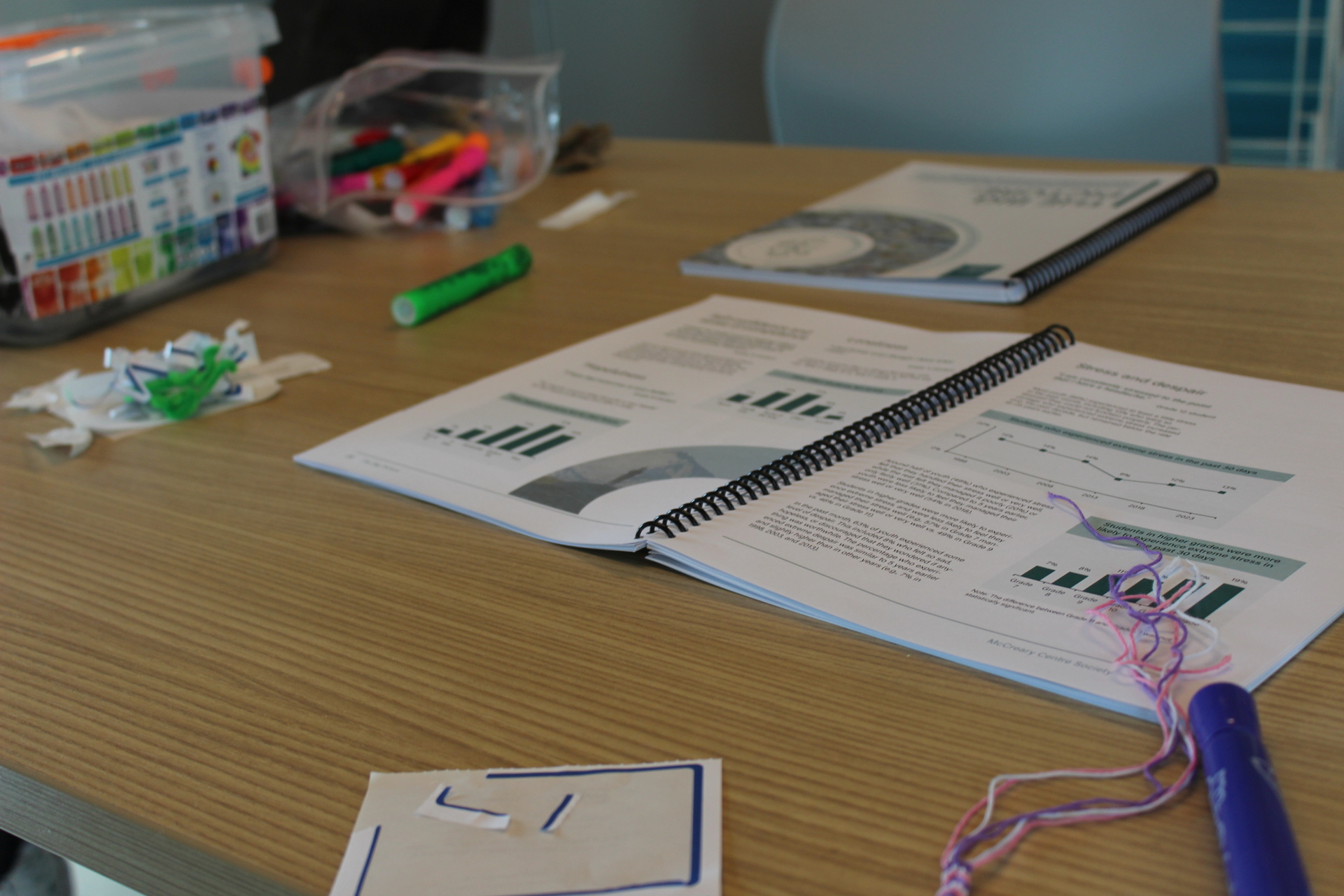

  • Youth Action GrantsUp to $750 for health and well-being projects led by BC youth ages 12–19.
  • Trevor Coburn Memorial GrantsUp to $500 for youth-led projects related to peer mentorship, youth homelessness, youth substance use, and youth in and from government care.


Explore youth grants

Workshops & current projects

McCreary also leads workshops and other youth engagement projects in schools and community groups across BC. Current projects include:


Explore current workshops & initiatives 

OUR APPROACH

Meaningful youth engagement

McCreary defines youth engagement as:


The meaningful participation and sustainable involvement of young people in shared decisions which affect their lives and those of their community, including planning, decision-making, and program delivery. (Smith et al., 2009)


In our youth engagement initiatives, we strive to meaningfully involve young people at every stage of the research process, from shaping priorities to co-leading projects and guiding how findings are shared.

Youth engagement resources

Based on our experience of engaging young people in community-based and participatory research, we created a resource which documents the lessons learned from that work, and specifically from the development and sustainability of McCreary’s Youth Research Academy (YRA).

This peer-reviewed chapter appears in the 2023 book Living on the edge: Innovative international research on leaving care. The chapter focuses on engaging young people with lived experience in the research that affects them and uses McCreary's Youth Research Academy as an example.

This peer-reviewed chapter appears in the 2020 book Clinical Care for Homeless, Runaway and Refugee Youth: Intervention Approaches, Education and Research Directions. The chapter focuses on engaging young people with lived experience of homelessness in research and uses McCreary's Homeless Youth Health and Wellness Survey (previously the Homeless and Street-Involved Youth Survey) as an example.

In 2023, McCreary published a peer-reviewed article in the Children and Youth Services Review on the findings of a Youth Participatory Action Research project. Youth researchers with government care experience were commissioned to conduct a feasibility study into a high-intensity family finding model’s applicability for use in Western Canada, and to identify other models providing mentorship and natural support which could also be considered.

McCreary published an article in the Child Indicators Research Journal on developing a measure that captures the experiences of deprivation among youth in BC. Inspired by a model successfully used in the UK to measure material deprivation, the BC Youth Deprivation Index was developed ahead of the 2018 BC Adolescent Health Survey and collected results from over 38,000 BC youth.


Youth engagement resources

Based on our experience of engaging young people in community-based and participatory research, we created a resource which documents the lessons learned from that work, and specifically from the development and sustainability of McCreary’s Youth Research Academy (YRA).

This peer-reviewed chapter appears in the 2023 book Living on the edge: Innovative international research on leaving care. The chapter focuses on engaging young people with lived experience in the research that affects them and uses McCreary's Youth Research Academy as an example.

This peer-reviewed chapter appears in the 2020 book Clinical Care for Homeless, Runaway and Refugee Youth: Intervention Approaches, Education and Research Directions. The chapter focuses on engaging young people with lived experience of homelessness in research and uses McCreary's Homeless Youth Health and Wellness Survey (previously the Homeless and Street-Involved Youth Survey) as an example.

In 2023, McCreary published a peer-reviewed article in the Children and Youth Services Review on the findings of a Youth Participatory Action Research project. Youth researchers with government care experience were commissioned to conduct a feasibility study into a high-intensity family finding model’s applicability for use in Western Canada, and to identify other models providing mentorship and natural support which could also be considered.

McCreary published an article in the Child Indicators Research Journal on developing a measure that captures the experiences of deprivation among youth in BC. Inspired by a model successfully used in the UK to measure material deprivation, the BC Youth Deprivation Index was developed ahead of the 2018 BC Adolescent Health Survey and collected results from over 38,000 BC youth.